


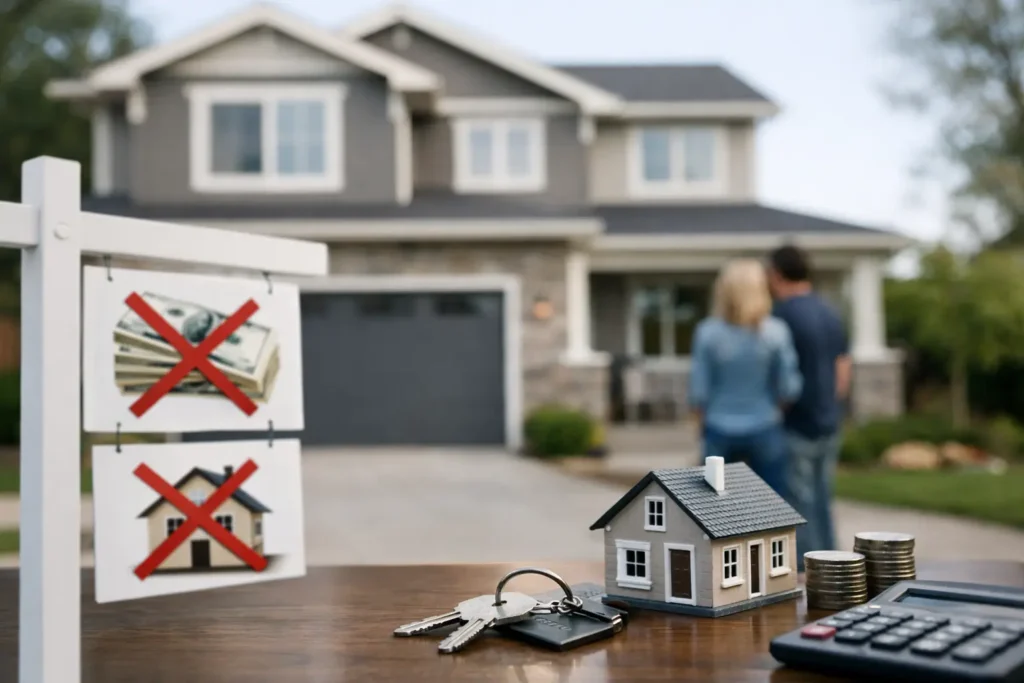
A beautifully prepared home can still miss its moment if the price asks buyers to overlook the market. In Southern California, where buyers can compare neighborhoods, school districts, views, amenities, and monthly costs in a single afternoon, the top signs of overpricing often appear quickly. The goal is not to reduce a home’s value. It is to position it precisely enough to attract qualified attention, create urgency, and protect your leverage at the negotiating table.
Why the Right List Price Shapes the Entire Sale
Pricing is more than a number on a listing agreement. It influences which buyers see your property in their search range, how it compares to active alternatives, whether agents prioritize a showing, and how much confidence buyers have when they write an offer.
For a seller, overpricing can feel like a cautious choice: start high, then negotiate down if necessary. That approach can work in a rare situation where inventory is exceptionally limited and comparable sales clearly support the range. More often, it costs valuable early exposure. A listing receives its strongest attention when it is new, and buyers who believe it is out of reach or poorly positioned may never return after a price reduction.
The best possible price is not simply the highest number placed online. It is the number the market will validate through buyer demand, comparable sales, appraised value, and strong negotiation.
9 Top Signs of Overpricing a Home
1. Showings are scarce in the first two weeks
A lack of showings is one of the clearest early signals. Buyers may not be seeing the property at all because it falls outside their saved search parameters, or they may be seeing it and choosing more compelling alternatives.
Presentation matters here. Weak photography, limited access, or an unclear listing description can also suppress traffic. But when the home is well marketed, easy to tour, and still receives little interest, price is usually part of the conversation. In desirable Orange County, Los Angeles, San Diego, and Riverside County communities, serious buyers tend to move quickly when a property feels properly aligned with the market.
2. Buyers visit but do not make offers
Showings without offers tell a different story. The property may be attracting attention because of its location, architecture, lot size, or features, yet buyers are leaving unconvinced that the asking price matches the experience.
This is why agent feedback should be collected thoughtfully. One comment is an opinion. Similar feedback from multiple buyers and agents is market intelligence. If viewers consistently say the home is appealing but priced above comparable options, listen closely. The home may need a pricing adjustment, a stronger presentation strategy, or both.
3. Comparable homes are selling while yours sits
Active listings are your immediate competition, but pending and recently sold properties show what buyers are actually willing to pay. If homes with similar location, condition, square footage, and features are going under contract while yours remains available, buyers may see a value gap.
No two homes are identical, particularly in luxury markets. A panoramic view, a remodeled kitchen, gated privacy, a guest house, or a prime coastal location can justify a premium. The key is whether the premium is supported by relevant sales and visible to a buyer comparing options. A seller’s investment in improvements is meaningful, but the market does not always return every dollar spent.
4. Your listing is receiving online views but few inquiries
Digital interest is useful because it reveals whether the property is catching attention before buyers ever step inside. Strong views paired with few saved listings, showing requests, calls, or questions can indicate that buyers are curious about the home but hesitate once they see the price.
This pattern can also point to a marketing issue. Photos should establish value immediately, and the description should make the home’s differentiators easy to understand. Still, even exceptional marketing cannot overcome a price that feels disconnected from the choices buyers have nearby.
5. The price requires too many explanations
Every premium property should have a clear value story. Perhaps it offers an irreplaceable view corridor, a highly regarded location, extensive recent upgrades, or a floor plan rarely available in the neighborhood. Buyers should be able to understand that story without being asked to make several exceptions.
If the price depends on statements such as “the seller needs this amount,” “the home is better than the comps,” or “someone will pay for the potential,” the positioning may be too ambitious. A buyer pays for present, provable value. Potential has value, but it is generally discounted for time, risk, permitting, construction, and personal preference.
6. The home has accumulated too many days on market
Days on market are not a verdict on a property, especially for one-of-a-kind estates, commercial opportunities, or homes in a seasonal location. But they do change buyer psychology. As a listing lingers, buyers often ask what they are missing and assume there may be flexibility ahead.
A well-timed adjustment can reset attention. The strongest adjustments are strategic, not symbolic. Moving a price by a small amount while remaining in the same buyer search bracket may do little. A meaningful repositioning can put the home in front of an entirely new group of qualified buyers and demonstrate that the seller is responsive to market evidence.
7. Open houses and private tours bring the same objection
When visitors repeatedly praise the property but mention a lower-priced home down the street, a newer remodel nearby, or a better value in the same school district, that comparison deserves attention. Buyers do not evaluate a home in isolation. They evaluate it against their alternatives and the lifestyle each alternative provides.
This does not mean matching every competing listing dollar for dollar. An active competitor may be overpriced too. It means understanding why a buyer might choose one home over another and ensuring your price reflects the distinction honestly.
8. Price reductions are happening around you
A neighborhood does not need to be in decline for pricing conditions to shift. Rising inventory, changing interest rates, a seasonal slowdown, or several ambitious new listings can alter the buyer’s negotiating position. When nearby homes begin reducing prices, your original pricing strategy may no longer fit the current environment.
Watching the market weekly is more useful than relying on data from the day the home launched. In fast-moving Southern California submarkets, even a few weeks can bring new competition or recent sales that materially change the conversation.
9. The appraisal may not support the contract price
An accepted offer is a major milestone, but financed buyers still need an appraisal that supports the agreed value. When a list price is significantly ahead of recent comparable sales, the risk of an appraisal gap rises.
A cash buyer can sometimes pay above appraised value, particularly for a rare property. A financed buyer may ask the seller to reduce the price, bring additional cash, renegotiate terms, or walk away if the agreement allows. Pricing with appraised support in mind helps preserve the transaction after the excitement of an offer.
How to Respond Without Giving Away Value
Recognizing overpricing does not require an emotional or rushed reaction. Start by reviewing the full picture: online activity, showing volume, agent feedback, current competition, pending sales, and relevant closed transactions. Then separate fixable presentation issues from price resistance. Deferred maintenance, dark photography, limited showing access, and clutter can make a properly priced home underperform.
If price is the primary issue, make one purposeful decision rather than a series of small reductions. Consider the buyer search ranges that matter most, the homes buyers will compare against, and the amount of attention needed to reintroduce the property. A clear repositioning, supported by refreshed marketing and direct outreach, often creates more momentum than several minor changes.
For sellers of distinctive homes, precision matters even more. Luxury buyers are discerning, not indifferent to value. They will pay for quality, privacy, design, location, and rarity when those elements are presented credibly and priced with market discipline.
A Price Strategy Should Protect Your Negotiating Power
A thoughtful pricing strategy begins before the listing goes live. It considers recent sales, active inventory, property condition, buyer behavior, seasonality, and the specific features that make a home stand apart. It also includes a plan for monitoring the response and adjusting decisively if the market gives clear feedback.
At Handel Homes, that process is designed to pair polished marketing with honest market positioning, so sellers can pursue strong results without sacrificing valuable time. The right strategy gives buyers a reason to act now, not a reason to wait for the next reduction.
If your home is attracting attention but not offers, or sitting longer than comparable properties, treat the response as useful information rather than a setback. A focused review of price, presentation, and competition can put the sale back on a path toward the confident, well-negotiated outcome your property deserves.