


Thinking about selling land without a realtor? You’re not alone, and the good news is that it’s absolutely possible to successfully sell your property on your own. While the process requires some effort and planning, many landowners find that selling vacant land without a realtor gives them greater control over the sale and saves thousands of dollars in commission fees.
Understanding what makes land sales unique
Selling land is quite different from selling a home. Land buyers are a unique group with different motivations and needs. They’re not looking for granite countertops or a renovated bathroom. Instead, they’re envisioning what could be built on your property or how they might use the space. This means you’ll need to help them see the potential your land offers.
Keep in mind that the pool of land buyers is typically smaller than home buyers, so your sale may take longer. This is completely normal. Most vacant land sales require patience, but with the right approach, you’ll find the perfect buyer.
Step-by-step guide to selling vacant land without a realtor
Step 1: Determine if FSBO is right for you
Selling land without a realtor can be incredibly rewarding, both financially and personally. You’ll save substantial money on commissions and maintain complete control over your sale. However, it does require dedication, organization, and a willingness to learn the process. If you’re comfortable with these requirements and have the time to invest, going the FSBO route can be a smart choice.
Requirements for sucessfully selling land by owner:
Time commitment: Equivalent to a part-time job
Skills needed: Negotiation, marketing, organization, patience
Commission savings: Typically 5 – 10% of sale price
Trade-off: Time and effort vs. cost savings
When to consider hiring a realtor:
Complex legal situations
Lack of time or expertise
Need for broader marketing reach
High-value properties requiring specialized knowledge
Step 2: Prepare your property and gather important information
Before you list your land, take time to make it shine. You’ll also need to gather a fair amount of information related to your property as you spruce it up.
Physical preparation of the land:
Remove debris, junk, and fallen branches
Clear overgrown vegetation
Mark property boundaries with stakes or flags
Ensure access roads/trails are clear and passable
Make property safe for showing
Gather essential information about the property:
Zoning designation: Residential, commercial, or agricultural
Utility availability: Water, electricity, septic system potential
Building restrictions: HOA rules, easements, setbacks
Soil conditions: Perc test results if available
Property features: Acreage, access, views, water rights, mineral rights
Understanding zoning is critical – buyers need to know what can legally be built or done on the property.
Step 3: Organize paperwork for selling land without a realtor
One of the most important aspects of selling land without a realtor is having your documentation organized from the start.
Pre-sale documents:
Property deed (proof of ownership)
Recent property tax bills
Existing surveys (property boundaries and measurements)
Title report (confirms clear ownership, no liens)
Zoning documentation and restriction information
Proof of legal access
Utility availability details
Required property disclosures (state-specific)
Transaction documents:
Purchase and sale agreement: Outlines price, closing date, contingencies, terms
Deed: Legal document transferring ownership (warranty, quitclaim, or grant deed)
Closing statement: Itemizes financial details
Transfer tax documents
Recording fees documentation
Professional assistance:
Real estate attorney: Highly recommended for contract review, legal compliance, closing guidance
Title company: Handles title search, insurance, escrow, document recording
Cost: Small investment that prevents major legal problems
Step 4: Price your land strategically
Pricing land can be tricky since every parcel is unique. For the most accurate pricing, consider hiring a land appraiser or consulting with a few land professionals.
Research methods for pricing land:
County assessor records: Check current tax assessments and recent comparable sales
Online platforms: Compare prices on Redfin or For Sale By Owner for similar properties
Per-acre analysis: Review pricing for land with similar characteristics
Professional appraisal: Hire land appraiser for formal valuation
Multiple estimates: Consult 2-3 land professionals for comparative market analysis
Pricing factors that affect land valuation:
Location and access
Acreage and buildable land
Utilities and infrastructure
Zoning and permitted uses
Topography and soil quality
Water and mineral rights
Market conditions and supply-demand dynamics
Pricing strategy for standard or quick sales of your property:
Standard sale: Price competitively based on comparable sales
Quick sale: If you need to sell the property quickly, consider pricing 30-50% below market value to generate investor interest
Avoid emotional pricing: Base decisions on market data, not personal attachment
Step 5: Market your property effectively
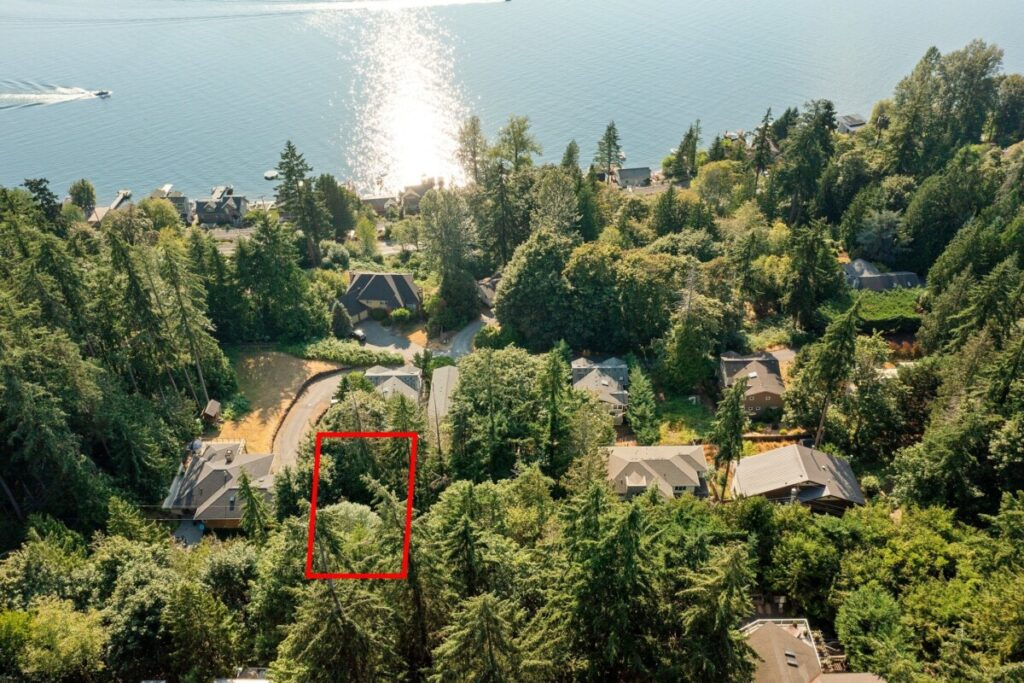
Great photography is absolutely essential when selling vacant land without a realtor. Since most buyers start their search online, your photos are often their first impression. Properties with quality photos generate significantly more interest.
Professional photography is critical:
Hire professional photographer for aerial drone imagery
Capture multiple angles and perspectives
Include property boundary markers in photos
Show seasonal variations if possible
Traditional marketing:
For Sale signs: Place on property with contact information
Directional signage: Guide buyers from high-traffic roads
Professional brochures: Feature photos, details, contact information
Neighbor outreach: Contact adjacent property owners directly
Local networking: Spread word through community connections
Targeted buyer outreach:
Local builders/developers: For residential-zoned land
Commercial developers: For commercial-zoned properties
Recreational buyers: For hunting or leisure land
Neighboring owners: Often most likely to purchase for expansion
Listing content requirements for online listings sites like Redfin:
Detailed, accurate property descriptions
Unique features and potential uses highlighted
Soil quality and nearby amenities
Intended use clearly stated (residential, agricultural, commercial)
Comprehensive information to reduce buyer skepticism
SEO-optimized keywords for online discovery
Step 6: Show the property with confidence
When potential buyers express interest, always offer to show them the property in person. This is your opportunity to highlight your land’s best features and help buyers visualize its potential.
Best practices when showing land for sale:
Always offer in-person tours. These are critical when selling land.
Walk property boundaries with buyers
Point out unique features (views, water access, mature trees)
Tour surrounding neighborhood and local businesses
Help buyers visualize development potential
Market land for multiple potential uses
Be prepared for potential buyer questions about the property:
Zoning and building restrictions
Septic system requirements and perc test results
Well water flow rates
Utility connection costs
Soil conditions and buildability
Access rights and easements
Property taxes and HOA fees
Step 7: Negotiate and evaluate offers for your land
When you receive an offer, review it carefully with fresh eyes. Look beyond just the price. What contingencies are included. Does the buyer need financing approval? Are there survey or inspection requirements? Consider all the terms before making your decision.
Understand that different buyers have different priorities when negotiating:
Individual home builders: Looking for custom home sites
Developers/investors: Seeking profitable projects
Neighboring owners: Expanding existing properties
Commercial buyers: Business development purposes
Recreational buyers: Hunting, fishing, conservation
Negotiation strategies when selling undeveloped property:
Keep emotions separate from business decisions
Review all offer terms, not just price
Understand buyer contingencies (financing, surveys, inspections)
Calculate net proceeds after all costs
Consult with attorney before accepting offers
Step 8: Navigate the closing process
Selling land without a realtor means you’ll be responsible for coordinating with the buyer’s lender, the title company, and potentially attorneys to get everything signed and funds transferred securely. Stay organized and communicate clearly with all parties to keep things moving smoothly toward closing.
Working with professionals – who is responsible for what?
Title company responsibilities:
Conduct title search for liens, claims, encumbrances
Provide title insurance
Hold documents and funds in escrow
Facilitate document signing
Record deed with county recorder’s office
Real estate attorney responsibilities:
Review and draft purchase agreements
Ensure all disclosures are complete and accurate
Resolve title disputes if found
Guide through closing requirements
Verify deed is properly executed
Steps of the closing process:
Sign purchase agreement with all terms clearly defined
Buyer conducts due diligence (inspections, surveys, title search)
Title company prepares closing documents
Review all paperwork carefully before signing
Transfer funds through escrow
Execute and notarize deed
Record deed with county to complete ownership transfer
Don’t forget to budget for seller closing costs of 1-3% of sale price:
Title fees
Deed stamps or transfer taxes
Prorated property taxes
Recording fees
HOA transfer fees (if applicable)
Attorney fees (if used)
Even without realtor commission, sellers still pay closing costs.
Common challenges and solutions when selling land without a realtor
Why land may not sell:
If your property has been on the market for a while without offers, don’t get discouraged. Usually, the issue comes down to one of two things: price or marketing.
Issue #1: Overpricing
Problem: Price set too high based on emotional attachment or inaccurate comparables
Solution: Reevaluate pricing based on recent comparable sales, consider market conditions
Issue #2: Poor marketing
Problem: Limited platform exposure, poor quality photos, inadequate descriptions
Solution: Expand to more platforms, hire professional photographer, write detailed descriptions
Issue #3: Title issues
Problem: Liens, unclear ownership, boundary disputes
Solution: Resolve proactively with title company before re-listing
Issue #4: Limited buyer reach
Problem: Not enough potential buyers seeing the property
Solution: List on MLS, expand to specialized land sites, increase signage
Key takeaways for selling land by owner:
Success factors:
Proper preparation and cleanup of property
Professional photography (especially aerial)
Competitive pricing based on market research
Multi-platform marketing strategy
Organized documentation ready from start
Professional assistance for legal matters
Patience with longer sales timeline
Clear communication throughout process
How much will you save selling by owner?
Savings: 5 -10% commission on sale price
Investment required: Time, marketing costs, professional fees
Example: On $100,000 sale, save $6,000 – $10,000 in commissions
Trade-off: Additional time and effort vs. substantial savings
When to seek professional help selling your land:
Complex legal situations or title issues
High-value properties requiring expertise
Time constraints preventing adequate marketing
Unfamiliarity with contract law or negotiation
Need for broader professional network access
Remember: You’re not alone: Real estate attorneys, title companies, and other professionals can assist with specific aspects while you maintain overall control and save substantial commission fees.
Selling land without a realtor is achievable with proper preparation, realistic pricing, effective marketing, and organized paperwork. Success requires dedication and patience, but the financial savings and control over the process make it worthwhile for many landowners.