


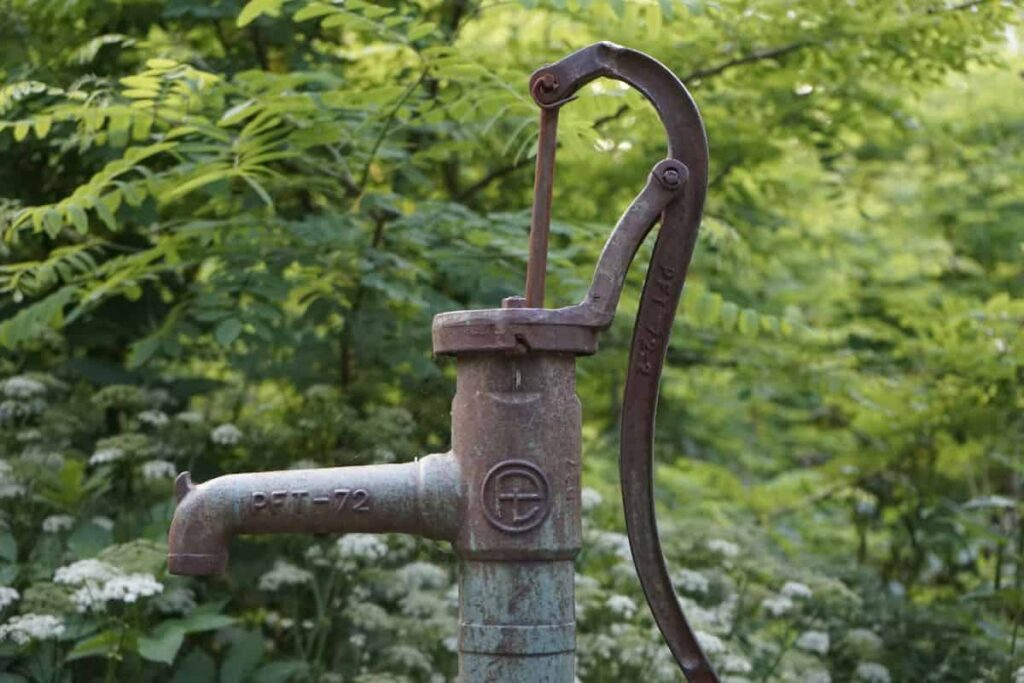
Thinking about selling your home with well water? Don’t worry — it’s absolutely doable, and with the right preparation, you can make the process smooth and quick. Whether you have a private well or a shared well with your neighbors, understanding what buyers need and what you’re required to provide will set you up for success.
Get your water tested right away
This is your number one priority. Having clean test results from the inspection before listing eliminates buyer concerns and speeds up the sale.
Most buyers and lenders require recent tests for:
Bacterial contamination test (coliform/E.coli)
Basic water quality analysis (pH, hardness, nitrates, minerals)
Additional tests may be needed based on your area (arsenic, radon, lead, etc.)
Use a state-certified lab and budget $150-400 depending on the panel. Keep all records showing the well has been maintained.
Required sale disclosures for well water
You must disclose:
Age and depth of the well
Known issues or repairs
Water quality test results
Flow rate (gallons per minute)
Any shared well arrangements with neighbors
Treatment systems in place (softener, filtration, etc.)
Documents to gather when selling
Well installation/drilling records
Pump service history
Septic system records (if applicable) – separation distance matters
Water treatment system maintenance logs
Recent utility bills showing electric costs for the pump
Proactively address buyer concerns about well water
Make the unknown known. Buyers fear what they don’t understand, so:
Provide a simple fact sheet about your well (depth, age, flow rate, daily capacity)
Share average maintenance costs
Explain any treatment systems clearly
If water tastes/smells great, mention it
Highlight the benefits: no water bills, independence from municipal water supply
Pricing strategy when selling a house with well water
Well water typically isn’t a deal-breaker in rural/suburban areas where it’s common, but can be in areas where city water is the norm. Price accordingly based on your local market. Don’t overprice assuming buyers will adjust – they often just skip well water homes if nervous about it.
Pre-listing fixes for your well
Service the pump if it’s been a while
Replace any obviously worn pressure tanks or fixtures
Fix any sulfur smell or iron staining issues
Ensure water pressure is good throughout the house
Clean up the wellhead area
Addressing the well water during showings
Keep bottled water available but don’t be defensive about the well water. Confidence matters. Have a one-page info sheet available about the well system.
Tips for the inspection process
Expect buyers to do their own water test (even if you provided one). This is normal. Budget 7-10 days for results. If issues arise, be prepared to:
Install treatment systems
Offer credits
Provide proof the issue is resolved with re-testing
A note on FHA/VA loans when selling a house with well water
These loans have stricter requirements for well water. The water must meet EPA standards, and you may need additional certifications. If targeting first-time buyers, be prepared for this.
Sell your house quickly with these tips
Test water BEFORE listing
Fix any known issues upfront
Price competitively for your market
Target buyers familiar with well water (rural buyers, people from the area)
Consider offering a home warranty that covers the well system
Have all documentation organized and ready to share immediately
The biggest factor in selling quickly is eliminating buyer fear through transparency and documentation. Homes with well water sell every day – you just need to make buyers comfortable with what they’re getting.
After the sale: Understanding the well transfer process
A well transfer is the formal process of transferring ownership of the well from you to the buyer. In many states, you (the seller) will need to handle a well transfer, though the specific requirements vary significantly by location.
It usually requires:
State/county registration:
Filing paperwork with your state’s Department of Environmental Protection, Health Department, or similar agency
Updating well registration records to reflect the new owner
May require a small filing fee ($25-100 typically)
Required documentation:
Well construction/drilling log
Well location survey or property description
Water test results (often must be recent – within 6-12 months)
Proof of well depth, casing specs, etc.
State-specific requirements for well transfers
Some states require:
A licensed well inspector to conduct a well inspection before transfer
Certification that the well meets current code (even if grandfathered before)
Proof the well is properly sealed/capped
Distance verification from septic systems and property lines
Flow rate testing
Other states have minimal or no formal transfer requirements at all.
The timeline matters when completing a well transfer
Important: In some states, this process must be completed before closing or within a certain timeframe after closing. Missing deadlines can cause closing delays or even legal issues, so:
Contact your local health department or state environmental agency NOW to find out your specific requirements
Factor in processing time (can be 2-4 weeks in some areas)
Clarify who pays for what – this is often negotiable
Who handles the well transfer?
This is typically coordinated between:
Your real estate attorney or title company
Sometimes the seller initiates it, sometimes it’s done at closing
In some states, the buyer may need to complete it post-closing
Bottom line: Call your county health department or state well registration office immediately and ask specifically what’s required for a well transfer in your area. Don’t assume your real estate agent knows: Many don’t handle transfers frequently enough to know the current requirements.
If you are represented by an agent, this is not a solicitation of your business. This article is for informational purposes only, and is not a substitute for professional advice from a medical provider, licensed attorney, financial advisor, or tax professional. Consumers should independently verify any agency or service mentioned will meet their needs. Learn more about our
Editorial Guidelines here.