


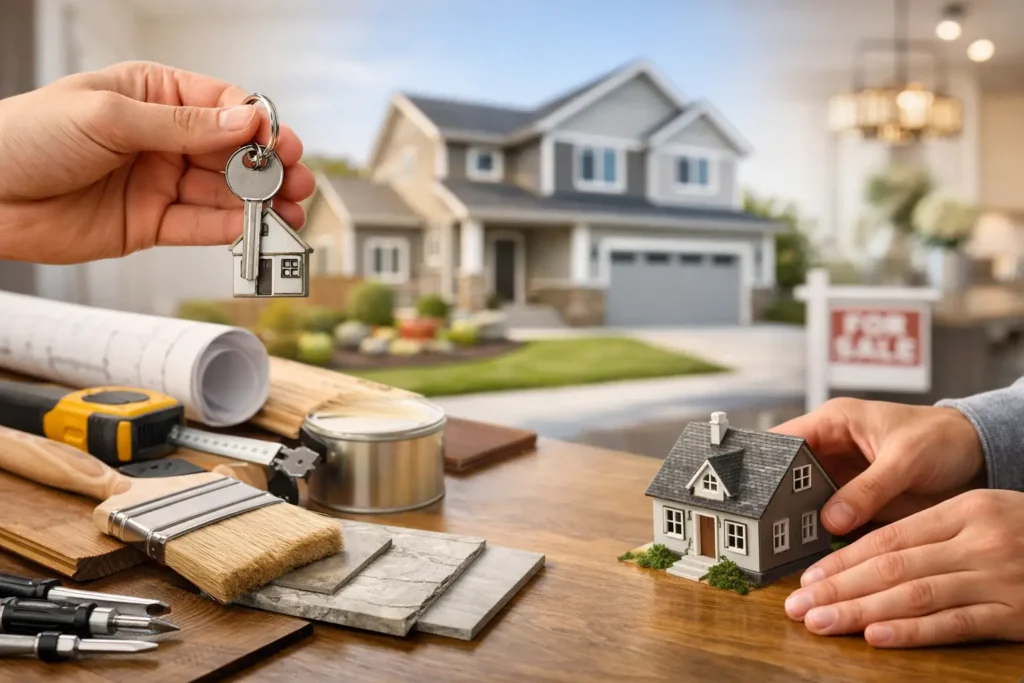
A seller in Southern California can spend $50,000 getting a home ready for market and still miss the upgrades buyers actually notice. The best upgrades before listing are rarely the flashiest ones. They are the updates that make a home feel clean, current, well cared for, and easy to say yes to the moment a buyer walks through the door.
That distinction matters. Before listing, the goal is not to renovate for your own long-term enjoyment. It is to position the property to show at its absolute best, compete against nearby inventory, and support a stronger asking price. In high-demand markets across Orange County, Los Angeles, San Diego, and Riverside, buyers move quickly – but they also compare sharply. The right pre-listing improvements can create momentum. The wrong ones can eat into your return.
How to choose the best upgrades before listing
The smartest approach starts with market context, not personal taste. A coastal luxury home, a move-up family home in the suburbs, and an investment property will not benefit from the same level or type of improvement. Price point, neighborhood expectations, property condition, and buyer profile all shape the decision.
In general, the most valuable upgrades before listing do one of three things. They remove obvious objections, modernize what buyers see first, or make the home photograph better online. Those are the improvements that tend to influence both showing traffic and offer strength.
1. Paint walls in a clean, current neutral
Fresh interior paint is still one of the highest-impact, lowest-risk updates a seller can make. It immediately changes how buyers read a home. Clean walls suggest clean maintenance. Neutral tones make rooms feel brighter, calmer, and easier to imagine as their own.
The key is restraint. Soft whites, warm greiges, and light taupes tend to perform well because they work across architectural styles and lighting conditions. Bold accent walls, saturated dining rooms, and highly personal colors may not hurt every sale, but they can narrow appeal.
If the home has good bones but feels dated, paint often does more than sellers expect. In many cases, it delivers a better visual return than a larger cosmetic project.
2. Upgrade lighting and replace dated fixtures
Lighting has an outsized effect on perceived value. An older home with builder-grade chandeliers, yellow bulbs, and dim corners can feel tired even when it is structurally sound. Updated lighting makes a property feel more polished and more expensive.
This does not always mean designer fixtures in every room. It usually means replacing obviously dated ceiling lights, adding consistent warm-white bulbs, and making sure key spaces are bright. Entryways, dining rooms, kitchens, and primary bathrooms tend to matter most.
There is a trade-off here. In luxury homes, lighting can become a design statement and deserves a higher level of attention. In more mid-range homes, over-improving with costly fixtures may not produce a proportional return.
3. Refresh the kitchen without forcing a full remodel
A full kitchen remodel before listing is often unnecessary unless the kitchen is in poor condition or seriously hurting value. Most sellers see better results from a thoughtful refresh. Painted or refinished cabinets, updated hardware, modern pendant lighting, and a new faucet can shift the entire look without the expense and delay of a major renovation.
Countertops are more case by case. If the existing surfaces are damaged, heavily stained, or visibly dated, replacement may be worth it. If they are simply not the newest trend but still clean and functional, the money may be better spent elsewhere.
Buyers do focus on kitchens, but they also understand pricing. A home does not need a magazine-perfect kitchen to sell well. It needs a kitchen that feels clean, current, and move-in ready for the market segment you are targeting.
4. Improve bathrooms where buyers expect wear to show
Bathrooms reveal deferred maintenance fast. Old caulking, stained grout, worn mirrors, and dated vanity lighting make buyers question the level of care throughout the home. Fortunately, bathrooms often respond well to selective improvements.
Re-caulking tubs and showers, replacing faucets, updating mirrors, swapping hardware, and improving lighting can all make a bathroom feel fresher. New vanity tops or painted vanities may also make sense when the room looks obviously tired.
A complete remodel is usually only justified when the bathroom is badly outdated or damaged relative to neighborhood competition. Otherwise, strategic cosmetic work tends to be the better investment before listing.
5. Replace worn flooring or unify mismatched surfaces
Few things pull down a showing faster than stained carpet, damaged flooring, or a patchwork of mismatched materials from room to room. Flooring affects both in-person impressions and listing photos, which means it influences value twice.
If hardwoods can be refinished, that is often money well spent. If carpet is worn or heavily dated, replacement is usually worth considering. In homes with multiple flooring types, creating a more cohesive look can make the property feel larger and more intentional.
This is one area where budget discipline matters. Not every home needs premium flooring throughout. What buyers want most is consistency, cleanliness, and the sense that they will not need to tackle an immediate replacement after closing.
6. Invest in curb appeal and the front entry
The online listing starts the first impression, but the drive-up finishes it. Buyers notice the front yard, exterior paint condition, walkway, landscaping, and front door within seconds. If the exterior feels neglected, they enter with doubts.
One of the best upgrades before listing is often outside. Fresh mulch, trimmed landscaping, pressure washing, updated house numbers, and a painted front door can quickly elevate presentation. If exterior lighting is outdated or the porch looks underwhelming, those small changes can also help.
For higher-end homes, curb appeal carries even more weight because buyers expect a polished arrival experience. The front approach should feel intentional, welcoming, and aligned with the asking price.
7. Handle visible repairs before buyers find them
This may not feel like an upgrade, but it has the same impact on value. Loose handles, sticky doors, cracked outlet covers, chipped trim, torn screens, and minor drywall damage all create friction. Individually, they seem small. Collectively, they signal neglect.
Buyers tend to overestimate the cost of visible repairs because they assume what they can see is only part of the story. Taking care of these items before listing protects confidence. It also reduces the chance that minor issues become leverage during negotiation.
In a competitive listing environment, condition supports pricing power. A well-prepared home feels easier to buy.
8. Stage key rooms for space and function
Staging is not an upgrade in the construction sense, but it absolutely upgrades presentation. It helps buyers understand how rooms live, how furniture fits, and how the home supports their lifestyle. In larger homes especially, empty spaces can photograph flat and feel less valuable than they are.
The most important areas are usually the living room, kitchen, primary bedroom, and dining area. A home does not always need full-service staging in every room. Sometimes partial staging, furniture editing, and better styling are enough.
This is one of the clearest examples of return depending on price point. In luxury listings, polished staging is often expected. In more modest homes, selective staging can still add value, but the scale of investment should match the likely price impact.
9. Update hardware, doors, and finish details
Details shape the overall impression. Replacing old cabinet pulls, worn doorknobs, dated hinges, and tired switch plates can make the entire property feel more current. These are not headline upgrades, but they help a home read as finished rather than almost ready.
Consistency matters here. Mixed metals, mismatched hardware, and piecemeal updates can make a home feel less refined. A coordinated finish palette creates a more elevated result without requiring major construction.
10. Make the home inspection-ready where possible
Savvy sellers think beyond visual appeal. If HVAC servicing, roof maintenance, plumbing tune-ups, or small electrical corrections are needed, addressing them before listing can prevent avoidable issues later. The best presentation strategy is stronger when the home can also stand up to scrutiny.
This does not mean every seller should complete extensive pre-sale work. It means identifying the issues most likely to concern buyers or affect escrow and deciding which ones are worth resolving upfront. That decision is easier when guided by local market expectations and a realistic pricing strategy.
What not to upgrade before listing
Some projects look impressive but do little for sale performance. Highly customized built-ins, luxury appliances in a non-luxury home, elaborate landscaping features, and trend-driven design choices often fall into this category. The same goes for expensive remodels that push the home beyond neighborhood value ceilings.
The better question is not, What can I improve? It is, What will this buyer pool pay more for right now? That is where strategy protects your return.
The best pre-listing plan is specific to your home
There is no universal checklist that works for every property. A home in Newport Coast will justify different prep than a family property in Temecula or a condominium in downtown San Diego. The right plan depends on condition, competition, timing, and the price you want the market to support.
That is why experienced listing guidance matters. At Handel Homes, pre-listing preparation is viewed as a pricing and marketing decision, not just a cosmetic one. When the right improvements are made before a home hits the market, the result is often more than a better first impression. It is stronger positioning from day one.
If you are preparing to sell, think like a buyer but invest like a strategist. The most effective upgrades are the ones that make your home feel cared for, competitive, and ready for its strongest debut.